
03 July 2006


More Photos
I have put more photos on Plant Porn and Pussycats (see sidebar)
 Joseph Bazalgette, builder of London's sewage system
 My father's Aircrew Europe campaign medal
 Joseph Bazalgette, builder of London's sewage system
 My father's Aircrew Europe campaign medal
How London Defeated the Bombers......
Just after 7/7 journalist Euan Ferguson visited the sites of the bombing attacks Last week he retraced his steps and witnessed the Capital’s return to normal.. Hi article was published in yesterday’s Observer. Set out below are some extracts from the article
“This Friday marks the anniversary of that drizzly day when four young men attempted to do to London what their al-Qaeda heroes and mentors had done to New York. They brought terror, in the form of four homemade rucksack bombs. On Friday there will be silences, and thoughts, and services…
.. Everything, some said that day, had changed: this had been our 9/11, and London life would not be the same again. Certainly it was an unconscionable act and a grim day: but even by three in the afternoon, after phones began to work again, there was some semblance of life to the city: life, and defiance. For once, Londoners helped each other, looked out for each other during their long trudge home. And now? Perhaps the best testament to city-wide resilience is that, wandering round these same places, it is rather hard to remember the mood that strange, one-off day….
Tellingly as anything, the help-others mood has gone. Of course London is, in places, friendly enough but elsewhere, the mood has gone. Londoners are pleasantly rude again, banging into each other, and cursing, and hurrying, and not really giving much of one about other people…
Near Russell Square is one of the rarest houses in London: rare because it features two blue plaques from English Heritage: on the right of the door, one to Sir Syed Ahmed Khan, 20th-century Muslim 'reformer and scholar'; on the left, one to the historian RH Tawney. The scientist Sir Syed, who argued, against great opposition, that Indian Muslims should accept Western education and, to an extent, culture, and spent years planning the 'Muslim Cambridge'; and the thoughtful socialist hero who preached every kind of tolerance except that towards acquisitive greed….
It was hard not to reflect that their arguments have been somewhat lost. The arguments from every side are less moderate: the arguments were carried out, a year ago, directly under their feet. But the city in which they chose to live, it would seem, speaks on: it ignores, mostly, the savagery beneath the streets, and the bumbling authoritarianism above: and, simply, rightly, gets on with being London.”
Is this yet another “No shit Sherlock” post from me? Probably it is. Unsurprisingly the bombings had no lasting effect on the physical face of the capital. It took some time for the tube lines to be fully operational, but people settled back quickly into their normal routine. The day after, the tourists were back around the Houses of Parliament and Westminster Abbey. The Monday after, people returned to work as normal. What else could we do? It had nothing to do with the Dunkirk or Blitz spirit - we simply had lives to lead. The bombers disrupted that for most Londoners for just a little while: the effects are still of course being felt by many of those injured on the day and by grieving families.
Needless to say I have nothing for disgust for the bombers. What they did was murder, nothing more, nothing less. I also have similar regard for the small minority who somehow think their acts were somehow a blow for justice. Perhaps they would like to take the list of the dead and point out the “Little Eichmanns” among them.
I will probably return to this subject later in the week
London
Bombings
Terrorism
“This Friday marks the anniversary of that drizzly day when four young men attempted to do to London what their al-Qaeda heroes and mentors had done to New York. They brought terror, in the form of four homemade rucksack bombs. On Friday there will be silences, and thoughts, and services…
.. Everything, some said that day, had changed: this had been our 9/11, and London life would not be the same again. Certainly it was an unconscionable act and a grim day: but even by three in the afternoon, after phones began to work again, there was some semblance of life to the city: life, and defiance. For once, Londoners helped each other, looked out for each other during their long trudge home. And now? Perhaps the best testament to city-wide resilience is that, wandering round these same places, it is rather hard to remember the mood that strange, one-off day….
Tellingly as anything, the help-others mood has gone. Of course London is, in places, friendly enough but elsewhere, the mood has gone. Londoners are pleasantly rude again, banging into each other, and cursing, and hurrying, and not really giving much of one about other people…
Near Russell Square is one of the rarest houses in London: rare because it features two blue plaques from English Heritage: on the right of the door, one to Sir Syed Ahmed Khan, 20th-century Muslim 'reformer and scholar'; on the left, one to the historian RH Tawney. The scientist Sir Syed, who argued, against great opposition, that Indian Muslims should accept Western education and, to an extent, culture, and spent years planning the 'Muslim Cambridge'; and the thoughtful socialist hero who preached every kind of tolerance except that towards acquisitive greed….
It was hard not to reflect that their arguments have been somewhat lost. The arguments from every side are less moderate: the arguments were carried out, a year ago, directly under their feet. But the city in which they chose to live, it would seem, speaks on: it ignores, mostly, the savagery beneath the streets, and the bumbling authoritarianism above: and, simply, rightly, gets on with being London.”
Is this yet another “No shit Sherlock” post from me? Probably it is. Unsurprisingly the bombings had no lasting effect on the physical face of the capital. It took some time for the tube lines to be fully operational, but people settled back quickly into their normal routine. The day after, the tourists were back around the Houses of Parliament and Westminster Abbey. The Monday after, people returned to work as normal. What else could we do? It had nothing to do with the Dunkirk or Blitz spirit - we simply had lives to lead. The bombers disrupted that for most Londoners for just a little while: the effects are still of course being felt by many of those injured on the day and by grieving families.
Needless to say I have nothing for disgust for the bombers. What they did was murder, nothing more, nothing less. I also have similar regard for the small minority who somehow think their acts were somehow a blow for justice. Perhaps they would like to take the list of the dead and point out the “Little Eichmanns” among them.
I will probably return to this subject later in the week
London
Bombings
Terrorism
02 July 2006
Homage to a lost Irish Generation
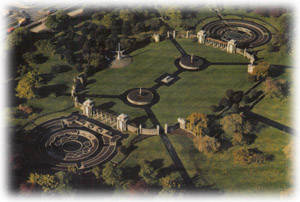 The Islandbridge Great War Memorial, Dublin
“France will never forget her debt to the heroic Irish dead, and in the hearts of the French people today their memory lives as that of the memory of the heroes of old, preserved in the tales that the old people tell to their children and their children's children."
Marshal Foci paid this glowing tribute to those Irish servicemen in the British army who died in the defence of France in the First World War. These words were repeated by an Irish Army officer at a state ceremony in Dublin to commemorate the 90th anniversary of the Battle of the Somme
While France never forgot her debt, Ireland has only now begun to remember. After decades of ignoring the sacrifice made by so many Irishmen, there is now a belated acknowledgement and recognition of their rightful place in Ireland’s history.
When John Redmond advocated enlistment in the British army, he hoped that involvement in the war effort would transform relations between nationalists and unionists, and would make unionists less hostile to Home Rule. His hopes were dashed by the Rising of 1916 and by Ulster's implacable resistance to Home Rule.
A commemoration of a shared historical experience like the Somme has the potential to transform relations between North and South - the presence of two DUP representatives at yesterday’s ceremony was encouraging. But the official ceremony also marks a welcome maturity by the State, through its acknowledgement and acceptance of the shared history of the different traditions on this island.
Based on a leader in today’s Sunday Independent (Ireland)
Saddam's Road to Hell

In his Observer column Nick Cohen draws attention to a harrowing short film called Saddam’s Road to Hell. Made by reporter Gwynne Roberts it focuses on massacre of Barzani clan members. In 1983, the Baathists took away 800 men and boys of the Barzani clan as a collective punishment for the Kurdish revolt against Saddam. They murdered them all. Everyone knew it, except the relatives who to this day cling on to the hope that somehow their husbands and sons will stumble back to their villages.
The film follows Mohammed Ihsan, Kurdistan's Human Rights Minister, as he sets off to find the bodies of the dead, a case for the prosecution in the trial of Saddam. We see backstreet shops where, for a very high price, lawyers looking for evidence can buy documents looted from secret police archives, skeletons being dug out of mass graves in the desert and snuff videos of torturers blowing up prisoners or throwing them from rooftops. All the time, like a low hum in the background, the threat of assassination hangs over the investigators.
The film has been broadcast by TV stations in 20 countries but it has yet to be seen here in the UK. Channel 4 has the film but has delayed its broadcast – it is now expected to be shown in November. Could Kurdish suspicion be correct - that the delay be down to Channel 4 “being full of liberals, uncomfortable with crimes against humanity they can't blame on Tony Blair or George W Bush” A film about the treatment of prisoners at Guantanamo Bay would probably not have been delayed.
The Road to Hell is an excellent film and is available to view here . I would highly recommend you watch it: its facts have been triple-checked, the producers present other points of view and the reporter shrinks into the background allowing Iraqis to speak for themselves. Western “radicals” who still cling to the crass belief that Saddam is a victim should be made to watch this sort of film. Perhaps it will help impress on them that at least some of the world’s ills can be laid at the feet of someone other than Bush and Blair. On the other hand who am I kidding!
Iraq
Kurds
01 July 2006
Comemorating the First Day of the Somme
90 years ago today officer’s whistles blown in Thiepval, to signal the start of the Battle of the Somme. By the end of the day over 19000 British soldiers lay dead, - the Army's worst ever losses in a single day. By the end of the campaign in November over a million Allied and German soldiers were killed or wounded.
Prince Charles is attending events commemorating the anniversary today. He will meet Britain's oldest war veteran, 110-year-old Henry Allingham
who served in the Royal Naval Air Service and RAF in World War I, will meet the Prince of Wales at the commemorations. There are now no known surviving UK veterans of the Somme trenches.
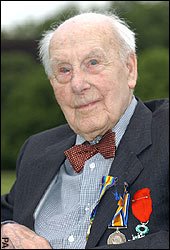 Henry Allingham
The Princess Royal, who is Colonel-in-Chief of the Royal Newfoundland Regiment, will attend a ceremony at Beaumont Hamel on the Somme. The Newfoundland Regiment sent 22 officers and around 758 other ranks over the top on 1 July - all the officers and around 658 other ranks died. Meanwhile, the Duke of Gloucester, who is honorary president of the Somme Association, will be at "Ulster Tower", the oldest official memorial on the western front dedicated to the 36 (Ulster) Division and other Irish soldiers.
 Ulster Division Memorial, Thiepval
The prime objective of the Somme offensive was to storm and capture the German lines. Allied forces would then pour through the breach, roll up the German line and finish the war. Field Marshal Sir Douglas Haig threw 14 divisions at the German lines but no breakthrough was made. The, campaign continued for the next four months ending on 18 November 1916, when the 51st (Highland) Division took Beaumont Hamel - an objective for the first day of the offensive. Although British and Empires force suffered over 400,000 casualties during the campaign (in addition there were over 200,000 French losses) German losses were even heavier and it is still regarded as a major defeat in Germany.
Amazingly the Somme campaign was largely forgotten until its 50th anniversary in 1966 – Until then Ypres was the name became synonymous with Great War slaughter. This changed when the Times ran a series of features for the Somme anniversary. This changed
Historians immediately concentrated on the quality of British generalship. The view that British soldiers were “lions” led by “donkeys” (as typified by General Melchett in Blackadder goes Forth) originated in the 1960s and may have been as much a reaction to Vietnam as serious historical thought. Currently the general view is that Somme campaign was part of a dreadful learning curve without which the decisive victories of 1918 could not have happened. It should be noted that although their losses were lower than more junior ranks around 0ne British general in ten was killed leading their troops in WWI including three during the first days of the Somme campaign.
The Somme generated an appalling loss of life for little immediate gain. However, the sacrifice of so many men was not in vain. After this the idea of the “big push” was put aside in favour of a more achievable and less bloody “bite and hold” approach. Even so one cannot but meditate upon the carnage of one day 90 years ago and wonder if it was worth the cost.
BBC reports here and here
Battle of the Somme
War
Prince Charles is attending events commemorating the anniversary today. He will meet Britain's oldest war veteran, 110-year-old Henry Allingham
who served in the Royal Naval Air Service and RAF in World War I, will meet the Prince of Wales at the commemorations. There are now no known surviving UK veterans of the Somme trenches.
 Henry Allingham
The Princess Royal, who is Colonel-in-Chief of the Royal Newfoundland Regiment, will attend a ceremony at Beaumont Hamel on the Somme. The Newfoundland Regiment sent 22 officers and around 758 other ranks over the top on 1 July - all the officers and around 658 other ranks died. Meanwhile, the Duke of Gloucester, who is honorary president of the Somme Association, will be at "Ulster Tower", the oldest official memorial on the western front dedicated to the 36 (Ulster) Division and other Irish soldiers.
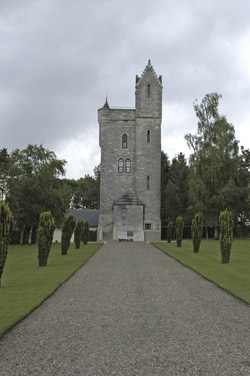 Ulster Division Memorial, Thiepval
The prime objective of the Somme offensive was to storm and capture the German lines. Allied forces would then pour through the breach, roll up the German line and finish the war. Field Marshal Sir Douglas Haig threw 14 divisions at the German lines but no breakthrough was made. The, campaign continued for the next four months ending on 18 November 1916, when the 51st (Highland) Division took Beaumont Hamel - an objective for the first day of the offensive. Although British and Empires force suffered over 400,000 casualties during the campaign (in addition there were over 200,000 French losses) German losses were even heavier and it is still regarded as a major defeat in Germany.
Amazingly the Somme campaign was largely forgotten until its 50th anniversary in 1966 – Until then Ypres was the name became synonymous with Great War slaughter. This changed when the Times ran a series of features for the Somme anniversary. This changed
Historians immediately concentrated on the quality of British generalship. The view that British soldiers were “lions” led by “donkeys” (as typified by General Melchett in Blackadder goes Forth) originated in the 1960s and may have been as much a reaction to Vietnam as serious historical thought. Currently the general view is that Somme campaign was part of a dreadful learning curve without which the decisive victories of 1918 could not have happened. It should be noted that although their losses were lower than more junior ranks around 0ne British general in ten was killed leading their troops in WWI including three during the first days of the Somme campaign.
The Somme generated an appalling loss of life for little immediate gain. However, the sacrifice of so many men was not in vain. After this the idea of the “big push” was put aside in favour of a more achievable and less bloody “bite and hold” approach. Even so one cannot but meditate upon the carnage of one day 90 years ago and wonder if it was worth the cost.
BBC reports here and here
Battle of the Somme
War
30 June 2006
Hirsi’s “Revenge”
From today’s Guardian
The Dutch government collapsed last night in a row over its treatment of Ayaan Hirsi Ali. Prme Minister Jan Peter Balkenende, will tender his resignation to Queen Beatrix today after the centrist D-66 party withdrew its ministers from his coalition government. Mr Balkenende is expected to calla general election although he may try to hang on until Spetember in order to present next year's budget.
The crisis was sparked after D-66, a small centrist party in the coalition, refused to support Immigration Minister Rita Verdonk after she stripped Ayaan Hirsi Ali of her Dutch citizenship. Although Ms Verdonk restored her citizenship this week, D-66 was infuriated when the she forced Ms her to sign a statement admitting that she had lied in order to gain Dutch citizenship when she fled to the Netherlands in 1992.
The downfall of the centre-right coalition will ring alarm bells across the EU because it marks the first time that a government has fallen in a row linked to the continent-wide struggle to integrate Europe's Muslims. Opinion polls indicate that Wouter Bos, the Blairite leader of the Dutch Labour party, will emerge as the leader of the largest party.
Ayaan Ali Hirsi
Holland
The Dutch government collapsed last night in a row over its treatment of Ayaan Hirsi Ali. Prme Minister Jan Peter Balkenende, will tender his resignation to Queen Beatrix today after the centrist D-66 party withdrew its ministers from his coalition government. Mr Balkenende is expected to calla general election although he may try to hang on until Spetember in order to present next year's budget.
The crisis was sparked after D-66, a small centrist party in the coalition, refused to support Immigration Minister Rita Verdonk after she stripped Ayaan Hirsi Ali of her Dutch citizenship. Although Ms Verdonk restored her citizenship this week, D-66 was infuriated when the she forced Ms her to sign a statement admitting that she had lied in order to gain Dutch citizenship when she fled to the Netherlands in 1992.
The downfall of the centre-right coalition will ring alarm bells across the EU because it marks the first time that a government has fallen in a row linked to the continent-wide struggle to integrate Europe's Muslims. Opinion polls indicate that Wouter Bos, the Blairite leader of the Dutch Labour party, will emerge as the leader of the largest party.
Ayaan Ali Hirsi
Holland
The Good(ish) News or the Bad News… or the Worse or Even Worse News First?
The Goodish:
David Cameron’s all new touchy feely conservative leadership was given a harsh rebuff by voters in Chislehurst and Bromley last night. Although the seat was won for them by Bob Neill against a Liberal Democrat challenge, the level of victory was just 600 votes. This compares to a resounding 13000 Conservative majority at last year’s General Election.
Conservative party chairman Francis Maude said Bromley was "a bit of a wake-up call for us - that we've got a long way further to go. David's (Cameron) been rightly, driving a process of change in the party - and the simple truth from this election result is that we have to drive that change faster, wider and deeper.
Liberal Democrat leader Sir Menzies Campbell praised his party's near-miss as a stupendous result in one of the safest Conservative seats in the country. “It shows that there is no confidence in Cameron's Tories in the Conservative heartlands," he said.
The Bad:
In the same By election Labour's Rachel Reeves gained les than 2000 votes and was pushed into fourth behind UKIP candidate, MEP Nigel Farage.
The Worse:
Labour has failed to win back a former stronghold of Blaenau Gwent last night. Independent Dai Davies won the south Wales seat, which Labour lost in 2005 to fellow Independent Peter Law. Labour party chairman Hazel Blears said Blaenau Gwent was a "unique set of circumstances" branding the situation in the Welsh constituency a "family feud. Labour had not had enough time to turn it round from the general election but insisted the result was "coming in the right direction".
This seat was previously held by Labour legends Aneurin Bevan and Michael Foot. It was previously one where the Labour vote was weighed rather than counted
The Even Worse
A YouGov poll for the Daily Telegraph suggests Mr Cameron is more popular than Tony Blair and that 6% more people would prefer a Tory government led by Cameron to a Labour one led by Gordon Brown.
The moral of this tale?
The Tories may have some way to go before they can win an election comfortably but we are gifting them an open goal mouth at present. If we do not do something fast we will see Labour will be condemned to the opposition benches. This does not just mean looking to sweeten middle England but reaching out to our core vote. As I have said before this job must fall to a new leader.
BBC
Labour
Tories
Elections
David Cameron’s all new touchy feely conservative leadership was given a harsh rebuff by voters in Chislehurst and Bromley last night. Although the seat was won for them by Bob Neill against a Liberal Democrat challenge, the level of victory was just 600 votes. This compares to a resounding 13000 Conservative majority at last year’s General Election.
Conservative party chairman Francis Maude said Bromley was "a bit of a wake-up call for us - that we've got a long way further to go. David's (Cameron) been rightly, driving a process of change in the party - and the simple truth from this election result is that we have to drive that change faster, wider and deeper.
Liberal Democrat leader Sir Menzies Campbell praised his party's near-miss as a stupendous result in one of the safest Conservative seats in the country. “It shows that there is no confidence in Cameron's Tories in the Conservative heartlands," he said.
The Bad:
In the same By election Labour's Rachel Reeves gained les than 2000 votes and was pushed into fourth behind UKIP candidate, MEP Nigel Farage.
The Worse:
Labour has failed to win back a former stronghold of Blaenau Gwent last night. Independent Dai Davies won the south Wales seat, which Labour lost in 2005 to fellow Independent Peter Law. Labour party chairman Hazel Blears said Blaenau Gwent was a "unique set of circumstances" branding the situation in the Welsh constituency a "family feud. Labour had not had enough time to turn it round from the general election but insisted the result was "coming in the right direction".
This seat was previously held by Labour legends Aneurin Bevan and Michael Foot. It was previously one where the Labour vote was weighed rather than counted
The Even Worse
A YouGov poll for the Daily Telegraph suggests Mr Cameron is more popular than Tony Blair and that 6% more people would prefer a Tory government led by Cameron to a Labour one led by Gordon Brown.
The moral of this tale?
The Tories may have some way to go before they can win an election comfortably but we are gifting them an open goal mouth at present. If we do not do something fast we will see Labour will be condemned to the opposition benches. This does not just mean looking to sweeten middle England but reaching out to our core vote. As I have said before this job must fall to a new leader.
BBC
Labour
Tories
Elections
29 June 2006
Churchill - Parliament Square
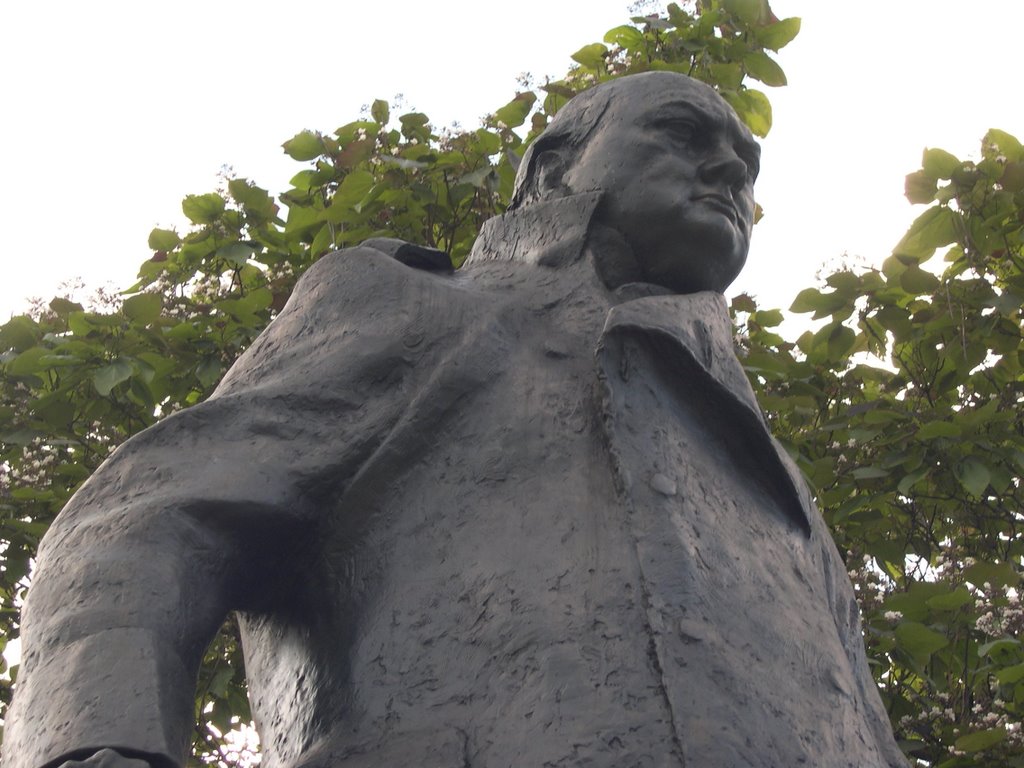
Churchill's statue is in Parliament Square. Brian Haw's protest is close by. I will be posting more photos of statues and other items on plant porn
28 June 2006
Burghers of Calais - London
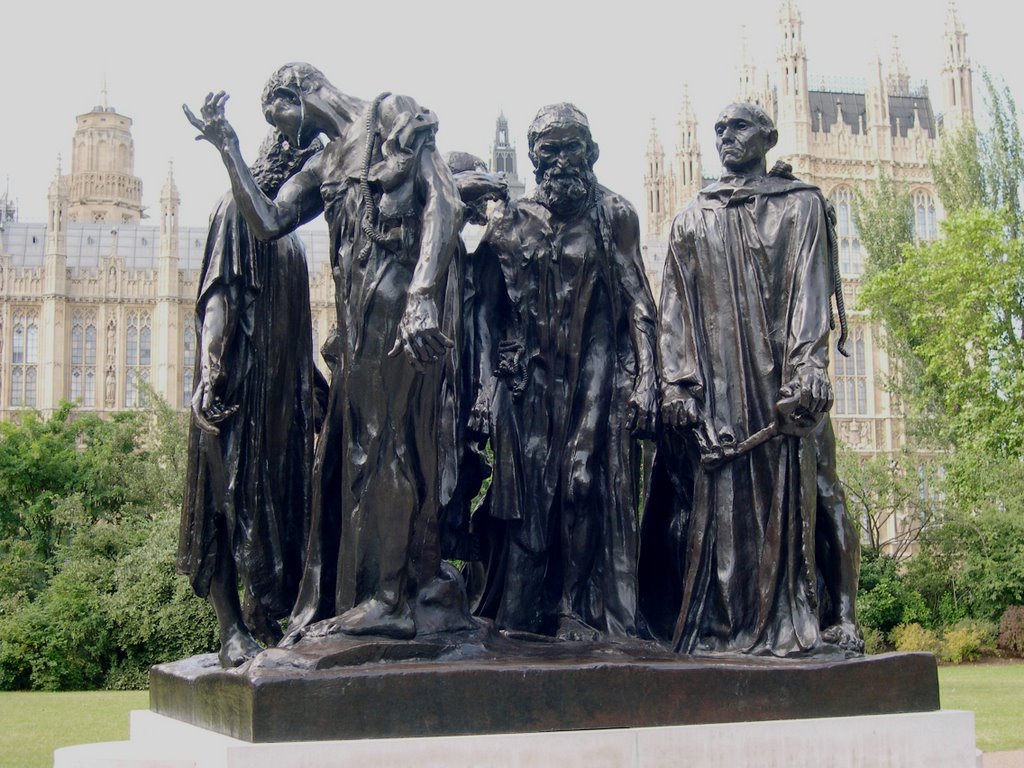 Located in Victoria Gardens by the Houses of Parliamen this is one of about 12 copies of Rodin's Burghers of Calais in existence. I think is is a magnificent statue and is a photographers dream, even one of my own meager talent!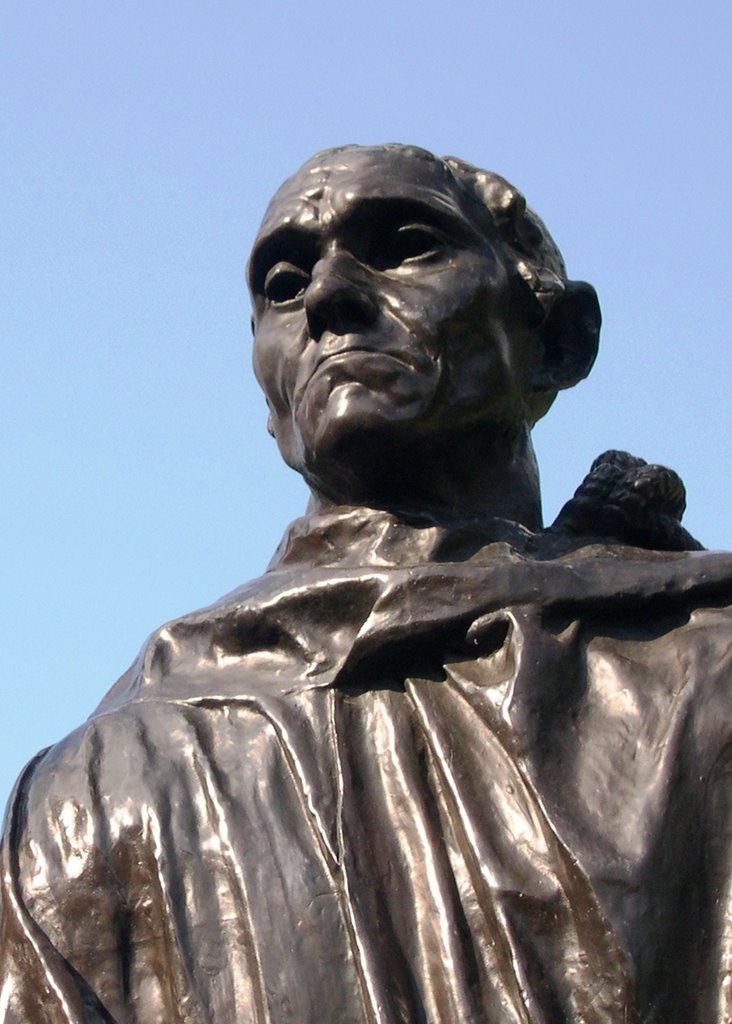
I will be putting up more pictures of this and other statues in around central London in due course on Plant Porn (see side bar for the link)

Subscribe to:
Posts (Atom)